

Making homemade bread can be a rewarding and delicious experience, but choosing the right flour is crucial to achieve the desired texture and rise in your loaves. Different types of flour have varying protein contents, which directly impact the gluten formation and overall structure of the bread. Understanding the different options available can help you select the best flour for your bread baking needs.
Key Takeaways
- Choosing the right flour is crucial for achieving delicious homemade bread
- There are various flour options for bread making
- The type of flour you use can greatly impact the flavor and texture of the bread
- Understanding the characteristics of each flour can help you choose the best one for your bread recipe
- Experimenting with different flours and mix-ins can elevate your bread baking skills

Page Contents
Understanding Different Types of Flour
When it comes to bread baking, different types of flour can significantly affect the outcome of your loaves. The choice of flour plays a crucial role in determining the texture, rise, and flavor of your homemade bread. Understanding the characteristics and uses of various flours will help you make the right selection for your baking needs.
Here are some key points to consider when exploring different types of flour:
- All-Purpose Flour: This versatile flour with an 11.7% protein content can be used in a wide variety of recipes, including bread, cookies, muffins, and pie crusts.
- Bread Flour: With a higher protein content of 12.7%, bread flour is ideal for yeast breads, as the extra protein creates a stronger dough and promotes a higher rise.
- White Whole Wheat Flour: Milled from 100% hard white spring wheat, this flour has a protein content of 13% and offers the nutritional benefits of whole wheat with a milder flavor and lighter color.
- Whole Wheat Flour: Made from milling the entire wheat berry, whole wheat flour has a protein content of 14% and provides a stronger, more robust flavor. It is great for whole wheat sandwich bread or adding to other baked goods.
- Self-Rising Flour: With a protein content of 8.5%, self-rising flour is a convenient option that already contains baking powder and salt. It is commonly used for biscuits, scones, and pancakes.
- Italian-Style Flour: This finely textured, low-protein flour, also known as “00” flour, is great for making thin-crust pizza and focaccia.
Each type of flour has its own unique characteristics and is best suited for specific recipes. The protein content of the flour is especially important to consider, as higher protein flours result in a stronger dough and crustier bread. Additionally, the bleached or unbleached nature of the flour can impact the texture and performance of the final product.

All-Purpose Flour – Versatility in Every Recipe
All-purpose flour, with its moderate protein content, is a versatile option that can be used in a wide range of recipes, including bread. Its protein content of 11.7% strikes a balance between strength and tenderness, making it suitable for various baking needs.
Whether you’re making a fluffy loaf of bread, soft cookies, tender muffins, or flaky pie crusts, all-purpose flour can do it all. Its versatility stems from its ability to create a desirable texture in different baked goods.
When mixed with the right amount of liquid, all-purpose flour develops just enough gluten to provide structure and support without becoming too elastic or tough. This makes it a dependable choice for both yeast-based and quick bread recipes.
So, the next time you’re unsure about which flour to use, reach for all-purpose flour. Its reliable performance and wide availability make it a go-to choice for home bakers of all skill levels.
| Flour Type | Protein Content | Common Uses |
|---|---|---|
| All-Purpose Flour | 11.7% | Bread, cookies, muffins, pie crusts |
| Bread Flour | 12.7% | Yeast breads |
| White Whole Wheat Flour | 13% | Healthier baked goods with milder flavor |
| Whole Wheat Flour | 14% | Robust flavor, great for whole wheat bread |
| Self-Rising Flour | 8.5% | Biscuits, scones, pancakes |
| Italian-Style Flour | Varies | Thin-crust pizza, focaccia |
All-purpose flour is just one of the many types of flour available for baking. Understanding the unique characteristics and functionalities of each flour can help you achieve bakery-worthy results in your homemade creations.
Experiment with Different Flours for Delicious Results
While all-purpose flour is a versatile and reliable choice, don’t be afraid to experiment with other flours for different flavors and textures. Whole wheat flour adds a nutty richness to bread, while bread flour enhances the rise and structure. Each flour brings its own unique qualities to the table, so feel free to mix and match to suit your taste preferences and dietary needs.

Bread Flour – The Secret to Perfect Yeast Breads
For bakery-quality yeast breads, bread flour with its higher protein content is the secret ingredient you need. The protein content in flour plays a crucial role in bread baking, as it determines the gluten formation and overall structure of the bread.
When it comes to bread flour, its protein content is typically around 12.7%. This higher protein content gives bread flour its unique characteristics that are essential for creating delicious, well-risen loaves. The increased protein content creates a stronger dough, allowing it to better trap and hold the carbon dioxide produced by the yeast. As a result, your bread will have better volume, a chewy texture, and a beautiful crust.
One of the key advantages of using bread flour is its ability to produce a higher rise in your yeast breads. The high protein content stimulates gluten development, which enhances the elasticity and structure of the dough. This allows the bread to expand and rise more during the baking process, resulting in a light and airy interior.
For best results, use bread flour for all your yeast bread recipes. Its higher protein content ensures that your breads will have that professional, bakery-quality texture and flavor. So, the next time you’re baking bread, don’t forget to reach for the bread flour and unlock the secrets of perfect yeast breads!
| Flour Type | Protein Content | Best For |
|---|---|---|
| All-Purpose Flour | 11.7% | Versatile use in various recipes |
| Bread Flour | 12.7% | Yeast breads, higher rise |
| White Whole Wheat Flour | 13% | Nutritional benefits with milder flavor |
| Whole Wheat Flour | 14% | Strong, robust flavor |
| Self-Rising Flour | 8.5% | Biscuits, scones, pancakes |
| Italian-Style Flour (“00” Flour) | Low Protein | Thin-crust pizza, focaccia |
Whole Wheat Flour – The Nutritious Choice
If you’re looking to boost the nutritional value of your homemade bread, whole wheat flour is an excellent choice. Made from milling the entire wheat berry, whole wheat flour retains all parts of the grain, including the bran, germ, and endosperm. This means that it provides higher levels of fiber, vitamins, and minerals compared to refined flours. Plus, it adds a deliciously nutty and robust flavor to your breads.
Using whole wheat flour in your bread recipes not only adds a wholesome touch, but it also brings a wealth of health benefits. The bran in whole wheat flour is rich in fiber, which aids digestion and promotes a feeling of fullness. This is especially beneficial for those looking to incorporate more fiber into their diet.
Whole wheat flour is also packed with essential nutrients like iron, magnesium, and B vitamins. These nutrients help support various bodily functions, such as energy production, cognitive health, and immune function. By choosing whole wheat flour, you’re not only satisfying your taste buds but also nourishing your body.
To make the most of whole wheat flour in your bread baking, it’s important to adjust your recipes accordingly. Due to its higher protein content and fiber, whole wheat flour requires more moisture and a longer rise time. Adjusting your liquid ratios and giving the dough sufficient time to develop will result in a well-textured and flavorful loaf.
| Flour Type | Protein Content |
|---|---|
| All-Purpose Flour | 11.7% |
| Bread Flour | 12.7% |
| White Whole Wheat Flour | 13% |
| Whole Wheat Flour | 14% |
| Self-Rising Flour | 8.5% |
| Italian-Style Flour (“00” Flour) | Low-protein |
“Using whole wheat flour in your bread recipes not only adds a wholesome touch, but it also brings a wealth of health benefits.”
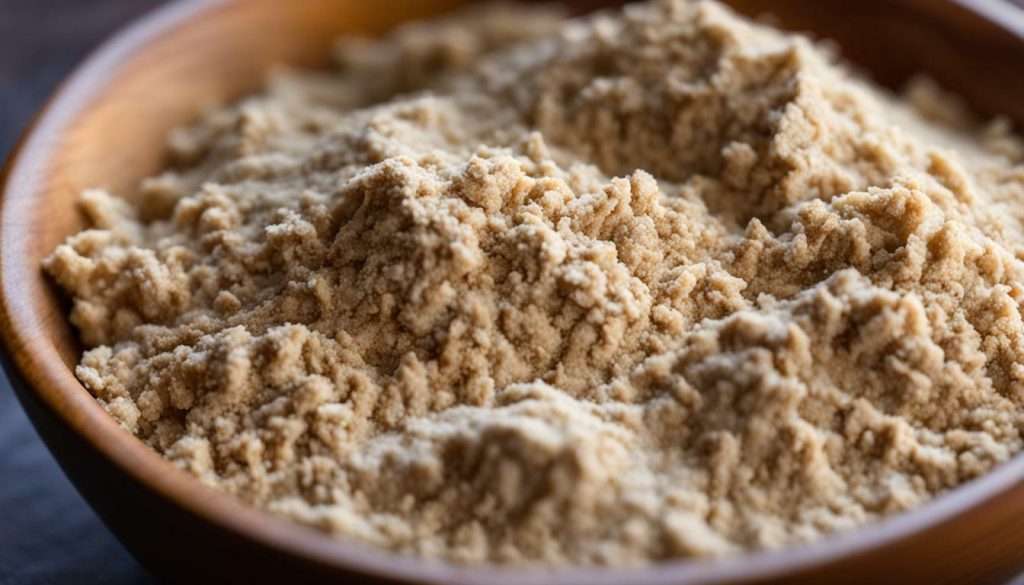
Gluten-Free Options – Baking Without Gluten
For those avoiding gluten, there are several gluten-free flours that can be used as substitutes in bread recipes. These flours offer a great alternative for individuals with gluten intolerances or sensitivities. Here are some popular gluten-free options:
- Almond Flour: Made from finely ground blanched almonds, almond flour is a nutrient-rich option that adds a subtle nutty flavor to bread. It works well in recipes that require a dense, moist texture.
- Coconut Flour: Derived from dried coconut meat, coconut flour is high in fiber and imparts a light, sweet taste to bread. It absorbs liquid quickly, so recipes using coconut flour may require additional moisture.
- Oat Flour: Made by grinding rolled oats, oat flour is a versatile option that adds a mild, slightly nutty flavor to bread. It is important to use certified gluten-free oat flour to avoid cross-contamination.
- Buckwheat Flour: Despite its name, buckwheat is gluten-free and comes from a seed, not a grain. Buckwheat flour has a robust, earthy flavor and works well in bread recipes that require a hearty texture.
Keep in mind that gluten-free flours may behave differently than traditional wheat flours, so it’s important to follow recipes specifically created for gluten-free baking. Experimentation may be needed to achieve the desired texture and flavor in your gluten-free bread.
Gluten-Free Quinoa Bread Recipe
If you’re ready to try baking gluten-free bread, here’s a simple recipe to get you started:
Ingredients:
2 cups gluten-free flour blend
1 cup cooked quinoa
3 tablespoons ground flaxseed
1 teaspoon baking soda
1 teaspoon baking powder
1 teaspoon salt
4 large eggs
1/4 cup olive oil
1/4 cup honey or maple syrup
1 cup unsweetened almond milk
Instructions:
- Preheat the oven to 350°F (175°C). Grease a loaf pan with cooking spray.
- In a large bowl, whisk together the gluten-free flour blend, ground flaxseed, baking soda, baking powder, and salt.
- In a separate bowl, beat the eggs, olive oil, honey/maple syrup, and almond milk until well combined.
- Add the wet ingredients into the dry ingredients and mix until just combined.
- Gently fold in the cooked quinoa.
- Pour the batter into the prepared loaf pan and smooth the top.
- Bake for 50-60 minutes, or until a toothpick inserted into the center comes out clean.
- Allow the bread to cool in the pan for 10 minutes, then transfer to a wire rack to cool completely before slicing.
- Enjoy your homemade gluten-free quinoa bread!

Depending on the type of recipe you’re making, choosing the right flour can make a significant difference in the final outcome. Each type of flour has its own unique characteristics that can affect the texture, flavor, and overall success of your baked goods.
Here are some guidelines to help you select the right flour for specific recipes:
Pastry Flour
Pastry flour is a low-protein flour, typically around 9% protein content, which makes it perfect for delicate pastries like pie crusts, tarts, and cookies. Its lower protein content produces tender and crumbly results, giving your pastries a light and delicate texture.
High-Protein Flour
For recipes that require a stronger dough structure, such as breads and pizza crusts, high-protein flour with a protein content of around 12-14% is ideal. The higher protein content helps develop more gluten, resulting in a chewier texture and better rise.
Bread Flour Recipe
If you’re specifically looking for a bread flour recipe, consider using bread flour, which has the highest protein content among common flours. With a protein content of around 12-14%, bread flour provides the strength and structure needed for traditional bread loaves. It will give you that crusty exterior and soft, chewy interior that makes bread so satisfying.
Remember, these are just general guidelines, and it’s always a good idea to consult specific recipes for flour recommendations. Experimenting with different flours can also lead to delicious and unique creations. So don’t be afraid to get creative in the kitchen and discover the perfect flour for your favorite recipes!

| Flour Type | Protein Content (%) | Best For |
|---|---|---|
| All-Purpose Flour | 11.7 | A wide variety of recipes including bread, cookies, muffins, and pie crusts |
| Bread Flour | 12.7 | Yeast breads for a stronger dough and higher rise |
| White Whole Wheat Flour | 13 | Whole wheat benefits with a milder flavor and lighter color |
| Whole Wheat Flour | 14 | Stronger, robust flavor, great for whole wheat sandwich bread |
| Self-Rising Flour | 8.5 | Biscuits, scones, and pancakes |
| Italian-Style Flour (00 Flour) | Low protein | Thin-crust pizza and focaccia |
The Role of Protein Content in Flour Selection
The protein content in flour plays a vital role in determining the strength of the dough and the texture of the bread. Different types of flour have varying protein contents, which directly affect gluten formation and the overall structure of the bread. When selecting flour for bread baking, it is important to consider the protein content and choose the right flour for the desired outcome.
Here are some key points to consider:
- All-Purpose Flour: With an average protein content of 11.7%, all-purpose flour is versatile and can be used in a wide range of recipes, including bread, cookies, muffins, and pie crusts. It provides a balance between strength and tenderness in baked goods.
- Bread Flour: With a higher protein content of 12.7%, bread flour is specifically formulated for yeast breads. The extra protein creates a stronger dough, allowing it to rise higher and develop a chewier texture. It is an ideal choice for achieving bakery-quality loaves.
- White Whole Wheat Flour: Milled from 100% hard white spring wheat, white whole wheat flour has a protein content of 13%. It offers the nutritional benefits of whole wheat while providing a milder flavor and lighter color. It is a great option for those looking for a healthier alternative to all-purpose flour.
- Whole Wheat Flour: Made from milling the entire wheat berry, whole wheat flour has a protein content of 14%. It provides a stronger, more robust flavor and is perfect for whole wheat sandwich bread or adding depth to other baked goods.
- Self-Rising Flour: With a lower protein content of 8.5%, self-rising flour is a convenient option that already contains baking powder and salt. It is commonly used for biscuits, scones, and pancakes.
- Italian-Style Flour: Also known as “00” flour, this finely textured, low-protein flour is commonly used in Italian cuisine for making thin-crust pizza and focaccia. It produces a light and tender crust.
| Flour Type | Protein Content (%) | Best Use |
|---|---|---|
| All-Purpose Flour | 11.7 | Versatile for various recipes |
| Bread Flour | 12.7 | Ideal for yeast breads |
| White Whole Wheat Flour | 13 | Nutritious option with milder flavor |
| Whole Wheat Flour | 14 | Strong, robust flavor for whole wheat bread |
| Self-Rising Flour | 8.5 | Convenient option for quick breads |
| Italian-Style Flour | Varies | Perfect for thin-crust pizza and focaccia |
Bleached vs Unbleached Flour
When choosing a flour, it is also important to consider whether it is bleached or unbleached. Bleached flour undergoes a chemical treatment to whiten and speed up the aging process, resulting in a finer texture and softer baked goods. Unbleached flour, on the other hand, is aged naturally and has a slightly higher protein content, which contributes to a stronger structure and slightly denser texture in baked goods.
Remember, for individuals with gluten intolerances or sensitivities, there are gluten-free options available such as spelt flour, chickpea flour, and rice flour. These alternatives provide a way to enjoy bread baking without the presence of gluten.
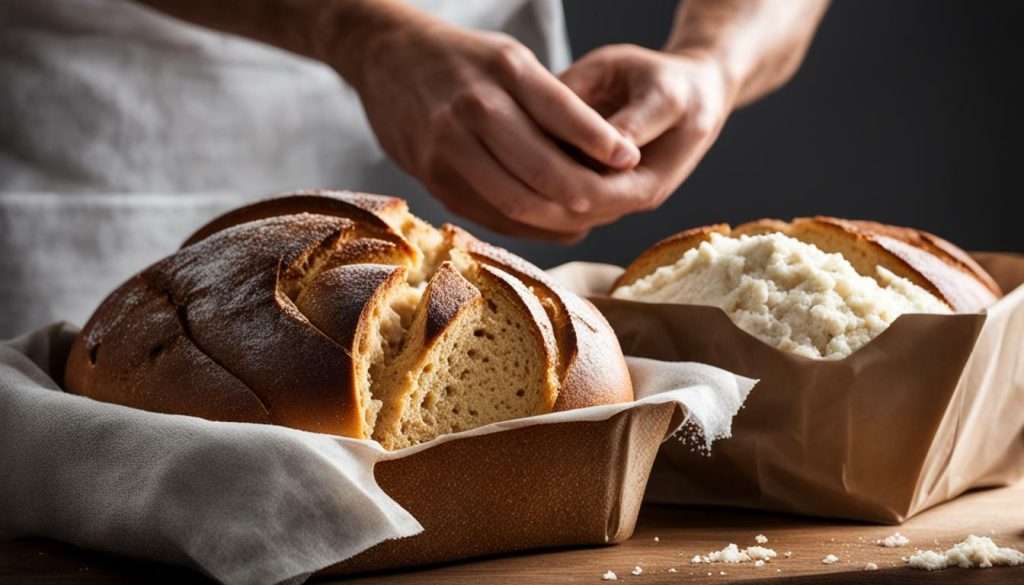
In Summary
- Selecting the optimal flour for your bread baking endeavors is crucial to achieve bakery-quality loaves right in your own kitchen. Different flours have varying protein contents, which directly impact the texture, rise, and flavor of your bread. By considering the characteristics of each flour, you can enhance your bread-making experience and create delicious homemade loaves.
- One popular option is all-purpose flour, which boasts an 11.7% protein content. Its versatility allows you to use it in a wide range of recipes, including bread, cookies, muffins, and pie crusts. If you’re specifically aiming for yeast breads, bread flour, with its higher protein content of 12.7%, is the ideal choice. The extra protein in bread flour creates a stronger dough and promotes a higher rise, resulting in airy, well-structured loaves.
- If you’re looking to incorporate the nutritional benefits of whole wheat into your bread, white whole wheat flour and whole wheat flour are excellent choices. White whole wheat flour, with its 13% protein content, offers a milder flavor and lighter color compared to traditional whole wheat flour, which has a protein content of 14%. Both flours add a robust flavor to your bread and are perfect for whole wheat sandwich bread or other baked goods.
- For those seeking convenience, self-rising flour can be a time-saving option, as it already contains baking powder and salt. With its 8.5% protein content, self-rising flour is commonly used for biscuits, scones, and pancakes. Additionally, if you’re in the mood for thin-crust pizza or focaccia, Italian-style flour, also known as “00” flour, is a finely textured, low-protein option that will give you the desired results.
- For individuals with gluten intolerances or sensitivities, gluten-free options such as spelt flour, chickpea flour, and rice flour are available. These alternatives allow you to enjoy bread baking without the presence of gluten.
- As you choose your flour, consider not only the protein content but also whether the flour is bleached or unbleached. This distinction can impact the final texture and performance of your bread.
FAQs – Frequently Asked Questions
What is the difference between all-purpose flour and bread flour?
All-purpose flour has a lower protein content compared to bread flour. Bread flour has more protein, which creates a stronger dough and promotes a higher rise in yeast breads.
Can I use all-purpose flour instead of bread flour in a bread recipe?
Yes, you can substitute all-purpose flour for bread flour in a bread recipe, although the texture and rise may be slightly different.
What is the protein content of white whole wheat flour?
White whole wheat flour has a protein content of 13%, providing the nutritional benefits of whole wheat with a milder flavor and lighter color.
Is whole wheat flour better for bread baking than all-purpose flour?
Whole wheat flour has a higher protein content and provides a stronger, more robust flavor compared to all-purpose flour. It is great for whole wheat sandwich bread or adding to other baked goods.
What is self-rising flour used for?
Self-rising flour is a convenient option for biscuits, scones, and pancakes, as it already contains baking powder and salt.
What type of flour is best for making thin-crust pizza and focaccia?
Italian-style flour, also known as “00” flour, is finely textured and low in protein, making it ideal for thin-crust pizza and focaccia.
Are there gluten-free flour options for bread baking?
Yes, there are gluten-free options such as spelt flour, chickpea flour, and rice flour available for individuals with gluten intolerances or sensitivities.
How does protein content in flour affect bread baking?
Higher protein content in flour results in a stronger dough and crustier bread. Lower protein content leads to a softer texture.